 Dutch
Dutch
Dutch
Dutch
Moving to the Netherlands from the USA is not just a relocation. It’s a shift in how everyday life works.
Going from stars and stripes to stroopwafels, bikes, and Sinterklaas sounds fun until you actually have to figure things out.
The differences show up quickly. Things that used to take minutes now come with extra steps, a bit more planning, and a lot more patience than you expected.
This guide breaks it down so you know what to do first and don’t spend your first few weeks going in circles.
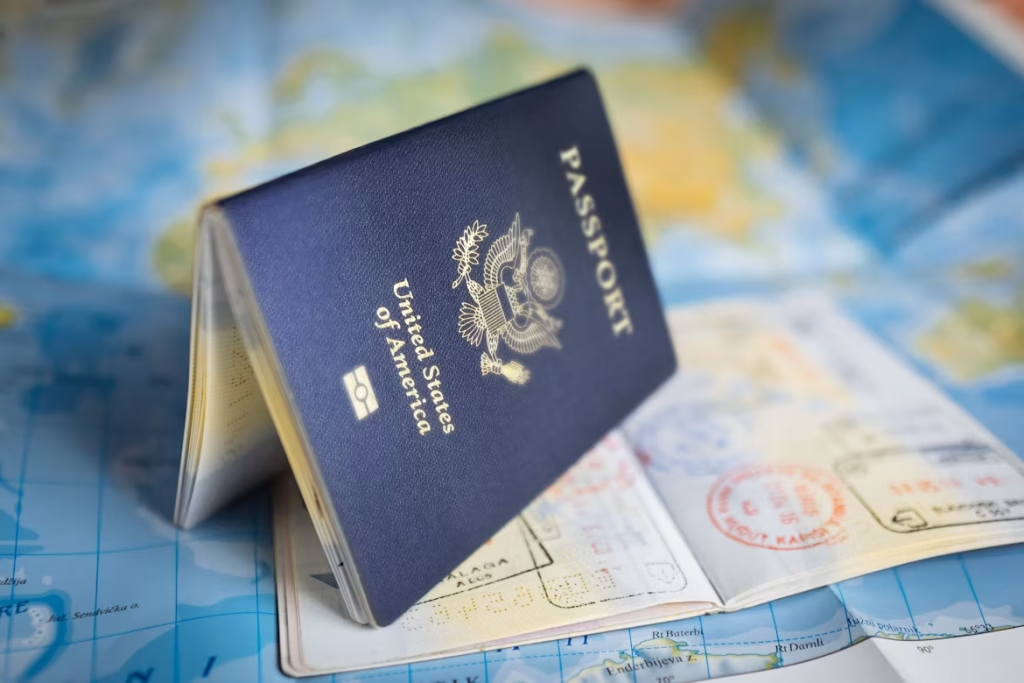
This is the decision that shapes the rest of your move.
If you’re staying longer than 90 days, you’ll need a residence permit. The type depends on why you’re moving:
Most applications go through the Immigration and Naturalisation Service (IND), and are often handled by your employer or sponsor.
👉 Get clarity on this early. It defines what you can do next.
Document prep is usually where delays start.
You’ll typically need:
Some US documents need an apostille to be accepted in the Netherlands.
👉 Sort this before you move. Doing it later means delays you don’t control.
For a lot of expats, this is the first real reality check.
In cities like Amsterdam:
Most expats end up applying to far more listings than they expected.
Many rentals also ask for documents upfront, including:
Having these ready early saves time once you start applying.
Platforms like Pararius en Funda are commonly used by internationals looking for rentals in the Netherlands.
If you don’t have housing yet, arrange temporary accommodation. You’ll still need an address, or in some cases a correspondence address, for your municipality (gemeente) registration.
Moving countries sounds exciting until you start deciding what’s actually coming with you.
A lot of expats underestimate:
Some people move with just essentials first and buy things after arriving. Others use relocation services to help with shipping, paperwork, housing support, or settling in.
Platforms and companies such as Relocate.me en NLrelocation are commonly used by internationals moving to the Netherlands.
👉 If you’re moving long-term or with family, this part usually takes more planning than expected.
Your first month won’t reflect your normal expenses.
Expect:
👉 Your first month gets expensive fast. A buffer helps more than you think.
Moving abroad doesn’t remove them.
As a US citizen, you still need to:
You may be able to reduce double taxation through:
You’re generally expected to register within 5 days of moving into the Netherlands.
But appointments with your local municipality (gemeente) can fill up quickly, especially in larger cities.
👉 Book before you move if possible
👉 Otherwise, take the earliest available slot
This is usually when the move starts feeling real.
You’re opening tabs you’ve never heard of, trying to understand Dutch systems on very little sleep, and suddenly realising how important your BSN actually is.
Most of your first week is admin. The rest is figuring out where to buy groceries, how Dutch public transport works, and why everyone cycles like the rain doesn’t exist.
If you’re staying in the Netherlands for longer than 4 months, you’re expected to register within 5 days of arrival.
This is where everything officially starts.
You’ll register in the BRP (Personal Records Database), which records you as living in the Netherlands. Your registration is also what triggers your BSN (citizen service number), which you’ll need for things like banking, healthcare, taxes, and work.
You’ll typically need:
In some cities, your BSN is issued immediately. In others, it arrives a few days later by post.
👉 Until your BSN is active, a surprising number of things stay on hold.
Once your BSN and address registration are active, apply for DigiD.
You’ll use it for:
The activation code is usually sent by post, so this is another step where a bit of waiting is normal.
A Dutch IBAN quickly becomes necessary for everyday life.
You’ll usually need it for:
Most banks will ask for:
A lot of places in the Netherlands still work more smoothly with Dutch banking systems than foreign cards, especially smaller shops, cafés, or local services.
This is also when you realise how many Dutch systems depend on your registration being completed first.

This sounds small until you need:
Getting a local SIM or mobile plan early makes settling in much easier.
If your rental doesn’t include internet, arrange that sooner rather than later. Some providers still take longer than expected with installation.
If you live or work in the Netherlands, Dutch health insurance is mandatory.
You’re generally expected to arrange it within 4 months of arrival or from the moment you become insured under Dutch law.
Waiting too long can lead to backdated premiums or fines, which is why most expats sort this out early.
Once your insurance is active, register with a local GP (huisarts). In the Dutch system, your GP is the starting point for most healthcare.
Depending on your income, you may also qualify for a healthcare allowance (zorgtoeslag). The eligibility requirements are explained hier.
The Netherlands is built around public transport and cycling in a way that feels very different from most US cities.
Most expats quickly start using:
And yes, eventually, a bike.
👉 Your first few days will probably include confidently walking into the bike lane at least once.
Many expats also rely heavily on apps during the adjustment phase, especially for transport, grocery delivery, payments, and navigating Dutch systems.
Even simple things take more mental energy in a new country.
You’re:
And somehow, normal life still needs to happen in between.
Many expats love Amsterdam for the walkability, public transport, and work-life balance, but the adjustment period can still feel overwhelming at first.
Once the urgent admin is out of the way, everyday life starts becoming the real adjustment.
This is usually when expats begin figuring out the smaller things that make living in the Netherlands feel smoother, less confusing, and a lot more manageable day to day.
If you plan on driving in the Netherlands, don’t assume your US licence works forever.
In most cases, Americans can drive with their US licence for up to 185 days after registering in the Netherlands. After that, you’ll usually need a Dutch licence.
Some expats under the 30% ruling may qualify to exchange their licence instead of retaking driving exams.
👉 The rules depend on your situation, so this is worth checking earlier than most people realise.
Moving abroad also means adjusting to a completely different tax system.
As a US citizen, you’ll usually still need to file US taxes while also dealing with Dutch tax rules, income reporting, and local payroll systems.
The good news is that tax treaties, exclusions, and credits can help prevent double taxation in many situations.
👉 Most expats realise this is easier to understand early than to deal with later during tax season.
Yes, almost everyone speaks excellent English.
But learning even basic Dutch helps everyday life feel less intimidating, surprisingly quickly.
Especially once:
You don’t need fluency overnight. Even small things like understanding greetings, transport announcements, or grocery labels help you feel more settled.
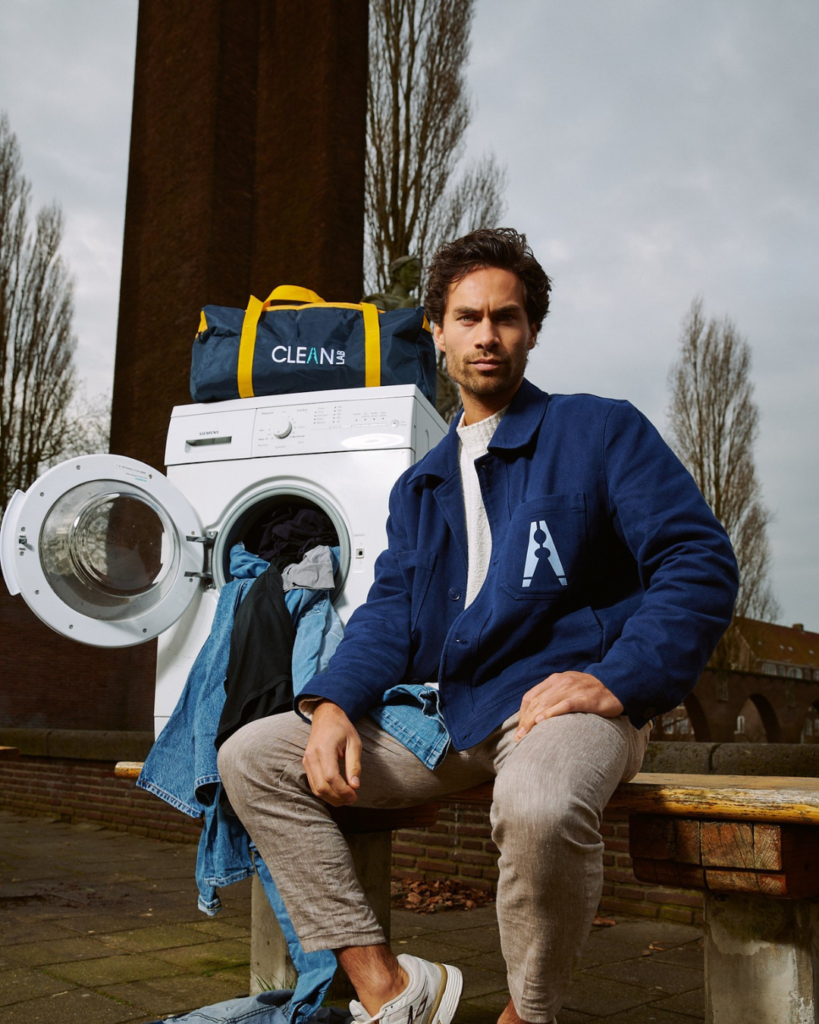
Once work, commuting, errands, and everyday admin fully kick in, small conveniences suddenly become much more valuable.
Laundry pickup services like CleanLab, grocery delivery, and other time-saving systems start making a lot more sense once everyday life gets busy.
At some point, saving time starts feeling more important than trying to do everything yourself.
Moving to the Netherlands from the USA is exciting right up until you’re standing in a Dutch supermarket, wondering why buying toothpaste suddenly feels complicated.
There’s a lot to figure out in the beginning:
But most expats eventually realise the hardest part isn’t the move itself. It’s the adjustment period right after it.
And eventually, things stop feeling unfamiliar all the time.
The paperwork stops dominating your day, routines start forming, and the things that felt exhausting at first become normal surprisingly quickly.
One day, you’re confused by bike lanes and gemeente appointments. A few months later, you’re arguing about which Albert Heijn is better and casually cycling home in the rain like it’s completely normal.
That’s usually the point where you stop feeling like you moved abroad and start feeling like you actually live here.
Yes, Americans can live in the Netherlands, but staying longer than 90 days usually means applying for a residence permit tied to work, study, business, or family.
A lot of US expats move through:
The right option depends on why you’re moving and how long you plan to stay.
Yes, Americans can move to the Netherlands without already having a job lined up, but you’ll still need a residence permit that fits your situation.
A lot of US expats move through:
DAFT is especially popular because it gives Americans a relatively accessible way to live and work in the Netherlands without employer sponsorship.
You’ll still need to meet the requirements for your permit and show enough income or financial stability to support yourself after moving.
The 30% ruling is a Dutch tax benefit that allows certain expats and international hires to receive up to 30% of their salary tax-free for a limited period.
It’s meant to help cover the extra costs of relocating and living abroad, which is why it can make a noticeable difference to your take-home salary.
The rule is mainly available to highly skilled workers recruited from outside the Netherlands, and eligibility depends on factors like your salary and employer setup.
Many expats only find out about the 30% ruling after moving, so it’s worth checking with your employer early in the relocation process.
Yes. The Netherlands attracts thousands of American expats every year thanks to its high quality of life, strong work-life balance, reliable public transport, and widespread use of English.
Many US expats also appreciate the ability to get around without a car and the overall ease of day-to-day life.
The biggest challenges are finding housing, adjusting to Dutch taxes, and getting used to a communication style that is often much more direct than in the US.
Yes, American retirees can move to the Netherlands, but there is no dedicated retirement visa for US citizens.
Most retirees qualify through another residence pathway, such as DAFT (Dutch American Friendship Treaty), family reunification, employment, or an EU citizenship route.